The “Anti-Inflammatory Diet” - You’re Probably Already Doing It!
If you've spent any time on social media, you've probably heard someone promoting the latest "anti-inflammatory diet." It sounds like a special eating plan developed by nutrition scientists. Maybe a secret formula. Maybe a revolutionary new way to lose weight. But here's the truth: The anti-inflammatory diet isn't really a specific diet at all. In fact, most of what people call an "anti-inflammatory diet" looks remarkably similar to healthy eating patterns that physicians and dietitians have recommended for decades.
Healthy Weight Healthy You team
8 mins
June 24, 2026
Dr. Feroza Patel & Dr. Trajan Barrera Discuss the Anti-Inflammatory Diet, Its Potential Benefits, and the Marketing Behind the Name
What Is Inflammation?
Inflammation is your body's natural response to injury, infection, or stress.
Acute inflammation is actually helpful. It helps you heal after an injury and fight infections.
Problems arise when inflammation becomes chronic.
Chronic inflammation has been associated with numerous health conditions, including:
Obesity
Type 2 diabetes
Heart disease
Fatty liver disease
Arthritis
Certain cancers
Because of these associations, researchers have become increasingly interested in how nutrition may influence inflammation within the body.
So What Is an “Anti-Inflammatory Diet”?
When you look closely, most anti-inflammatory diets encourage people to eat:
More vegetables
More fruits
More legumes and beans
More nuts and seeds
More fish
More whole grains
More healthy fats such as olive oil
And they recommend limiting:
Highly processed foods
Sugar-sweetened beverages
Excessive added sugars
Ultra-processed snacks
Excessive alcohol consumption
Sound familiar?
That's because these recommendations closely resemble dietary patterns such as the Mediterranean diet and many evidence-based nutrition plans already recommended by healthcare professionals.
The Sneaky Marketing Behind the Name
The phrase "anti-inflammatory diet" is excellent marketing.
Who wouldn't want less inflammation?
The challenge is that the name sometimes creates the impression that there is a special list of foods that magically eliminate inflammation or rapidly improve health.
The reality is much less exciting—but much more useful.
Most of the benefits likely come from eating more nutrient-dense whole foods and fewer highly processed foods.
In other words, the fundamentals still matter.
Foods Commonly Included in Anti-Inflammatory Eating Patterns
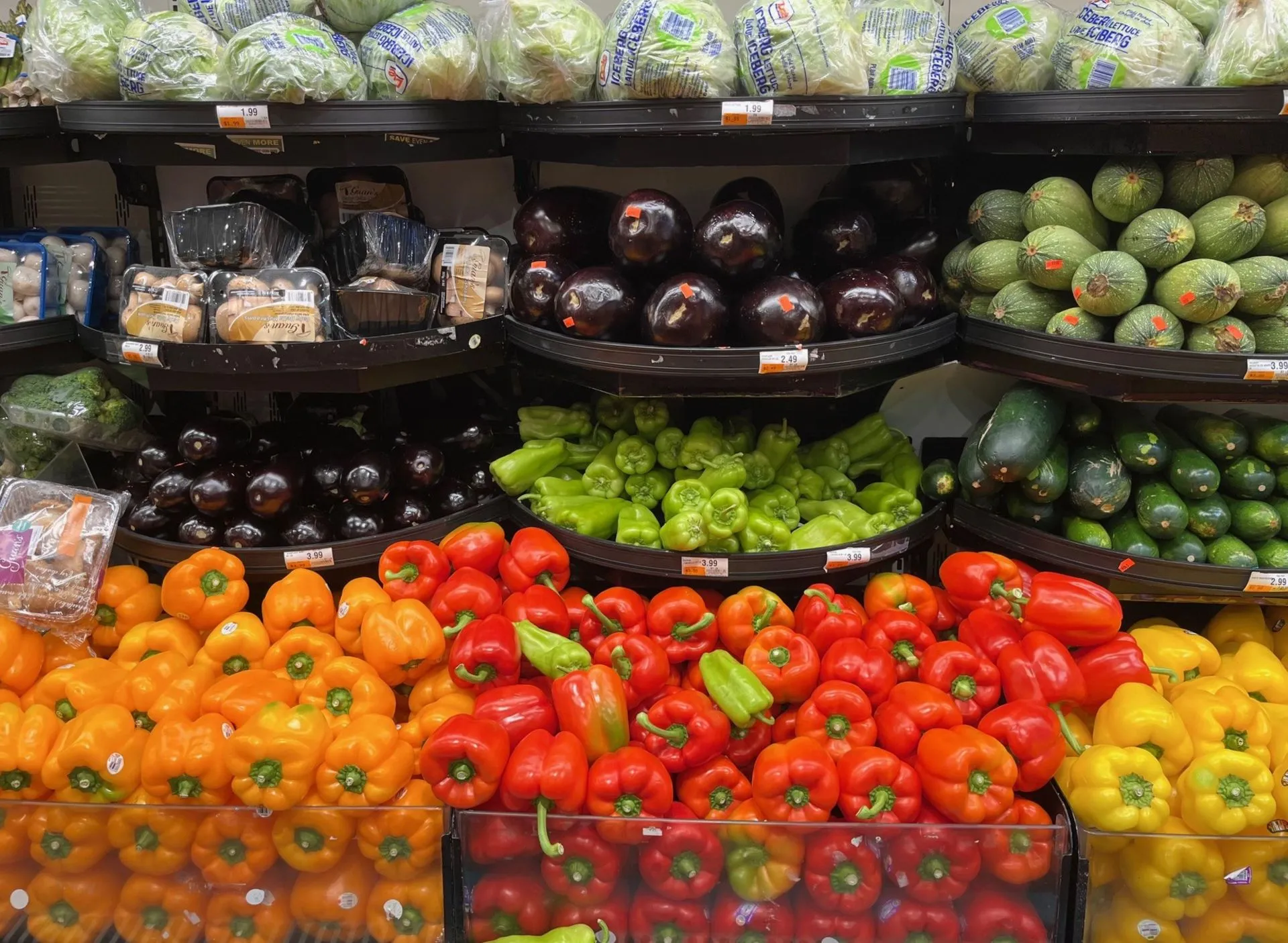
Colorful Fruits and Vegetables
These foods provide vitamins, minerals, fiber, and plant compounds called phytochemicals.
Examples include:
Berries
Leafy greens
Tomatoes
Bell peppers
Broccoli
Citrus fruits
Healthy Fats
Sources of unsaturated fats include:
Olive oil
Avocados
Nuts
Seeds
These foods are commonly found in Mediterranean-style eating patterns associated with positive health outcomes.
Fatty Fish
Fish such as:
Salmon
Sardines
Trout
Mackerel
contain omega-3 fatty acids, which have been studied for their potential role in supporting cardiovascular health.
Whole Grains and Legumes
Foods such as:
Oats
Brown rice
Quinoa
Lentils
Chickpeas
Black beans
provide fiber and nutrients that support overall health.
What About “Inflammatory Foods”?
Social media often labels foods as either inflammatory or anti-inflammatory.
Unfortunately, nutrition is rarely that simple.
Many foods exist on a spectrum.
For example:
A homemade cookie eaten occasionally is very different from consuming ultra-processed desserts multiple times every day.
Context matters.
Portion size matters.
Overall dietary pattern matters.
What you eat consistently over months and years matters far more than a single food choice.
Can an Anti-Inflammatory Diet Help With Weight Loss?
Not directly.
There is no evidence that simply labeling a diet "anti-inflammatory" causes weight loss.
However, many anti-inflammatory eating patterns emphasize foods that are:
Higher in fiber
More filling
Less calorie-dense
More nutrient-rich
These characteristics can help support a calorie deficit and make healthy eating easier to sustain.
The result may be improved weight management—not because the foods are magical, but because they help support healthier eating habits.
Our Physician Perspective
At Healthy Weight Healthy You, PLLC, we encourage patients to be cautious whenever a nutrition trend sounds revolutionary.
Most successful long-term nutrition plans share the same foundation:
Eat more whole foods.
Eat more vegetables.
Prioritize protein.
Increase fiber intake.
Limit highly processed foods.
Maintain consistency.
Whether someone calls it a Mediterranean diet, an anti-inflammatory diet, or simply healthy eating, the principles are remarkably similar.
The best diet is rarely the newest one.
It's the one you can realistically follow for years.
Ready for a Sustainable Approach to Weight Loss?
At Healthy Weight Healthy You, PLLC, we help patients build realistic nutrition habits that fit their lifestyle—not the latest social media trend.
Our physician-led telemedicine programs combine nutrition education, exercise guidance, medical expertise, and ongoing support to help you achieve lasting results.
Schedule Your Free Consultation
Let's build a plan that works for your life, your goals, and your long-term health.
Book your complimentary consultation today and start your journey toward sustainable wellness.

.png)


.svg)

.svg)
.svg)
.png)